


How Often Should You Service Your Car?
If you’ve ever asked yourself, “How often should I get a car service?”, then you’re not alone. It’s one of the most common questions we get asked at RR Motor Service, and for good reason. Regular servicing is the single most important thing you can do to protect your car, your wallet, and most importantly, ensure your safety on the road.
Yet, most Australians either skip such services or are unaware of what’s actually involved. Some wait until a warning light comes on. Others go by guesswork. The truth is, skipping a service might save you a few hundred dollars today, but could cost you thousands down the track or worse, leave you stranded on the Geelong Ring Road on a 40-degree summer day.
In this blog, our expert car mechanics break down exactly how often you should service your car, what those services actually include, and what happens when you don’t keep up with maintenance. Whether you’re driving a brand-new Toyota RAV4, a 2010 Holden Commodore, or a European prestige vehicle, this guide has practical, honest advice for every driver.
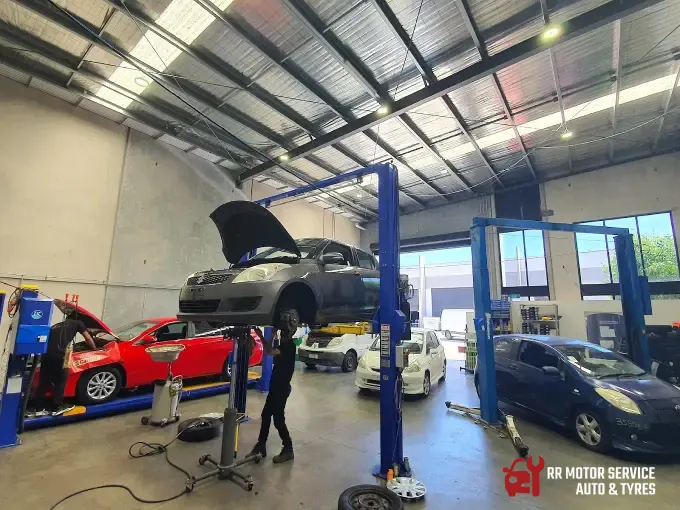
The Short Answer: Every 12 Months or 10,000-15,000 km
For most modern Australian vehicles, the general rule of thumb is to get a car service every 12 months, or every 10,000 to 15,000 kilometres, whichever comes first. However, this is just a base reference, and not a one-size-fits-all rule.
The ideal service interval depends on several key factors:
- Your car’s make, model, and year
- The type of engine oil your vehicle uses (mineral, semi-synthetic, or full synthetic)
- How and where you drive (city commuting vs highway driving vs off-road)
- Whether your vehicle is still under a manufacturer’s warranty
- The age and current condition of your vehicle
The manufacturer’s logbook, the small booklet that came with your car, contains the definitive servicing schedule for your specific vehicle. Our strongest advice is to follow it to the letter. It was designed by engineers who built your car, and it’s the single best guide to keeping it running safely and reliably.
Expert Mechanic Tip
Minor vs Major Car Service: What's the Difference?
One of the biggest sources of confusion for drivers is not knowing the difference between a minor and a major service and why you need both. Here’s a clear breakdown:
Minor Car Service (Also Part of a Logbook or Interim Service)
A minor car service is your regular maintenance check. It typically includes:
- Engine oil and oil filter replacement
- Visual inspection of brake pads and brake fluid levels
- Tyre inspection includes pressure, tread depth, and condition
- Battery health test
- Air filter inspection and replacement if needed
- Top-up of all essential fluids like coolant, power steering, and windscreen washer
- Check of all lights, wipers, and horn
- Inspection of belts and hoses
- Visual check of suspension and steering components
For most vehicles, a minor servicing takes between 1.5 and 3 hours and is the most frequent service you’ll typically need annually, or every 10,000 to 15,000 km.
Major Car Service (Full Service)
A major service by car mechanics goes much deeper and is typically done every 2 years, or every 30,000-40,000 km, depending on the manufacturer. In addition to everything included in minor servicing, a major service includes:
- Full flush and replacement of all fluids, including transmission fluid and brake fluid
- Spark plug replacement
- Cabin air filter and fuel filter replacement
- Comprehensive engine diagnostics
- Timing belt inspection (or replacement, if it’s due)
- Full brake inspection, including pads, rotors, callipers, and lines
- Wheel alignment and suspension checks
- Comprehensive undercar inspection
You can consider a major service as a deep health check your car needs to identify problems before they become expensive failures. At the end, you’ll receive a full written report of your vehicle’s condition, so you always know exactly where your car stands.
You can consider a major service as a deep health check your car needs to identify problems before they become expensive failures. At the end, you’ll receive a full written report of your vehicle’s condition, so you always know exactly where your car stands.
Car Service Interval: A Quick Reference Guide
Here’s a practical reference table for common Australian vehicles and their recommended servicing intervals. Note that these are general guidelines and you should always refer to your manufacturer’s guides for your specific vehicle.
| Vehicle Type / Oil Type | Recommended Service Interval |
|---|---|
| Older vehicles (pre-2000) with mineral oil | Every 5,000 km or 6 months |
| Modern vehicles with semi-synthetic oil | Every 10,000 km or 12 months |
| Modern vehicles with full synthetic oil | Every 12,000-15,000 km or 12 months |
| High-performance / European vehicles | Every 10,000-15,000 km, or consider checking the logbook |
| Diesel vehicles (SUVs, utes, 4WDs) | Every 10,000-15,000 km or 12 months |
| Hybrid vehicles (e.g. Toyota Corolla Hybrid) | Every 10,000-15,000 km or 12 months |
| Electric vehicles (e.g. Tesla, BYD, MG ZS EV) | Every 12 months (no oil service required) |
| Vehicles doing short trips/city driving only | Every 6 months, regardless of km |
Does Driving Style Affect How Often You Should Service Your Car?
Absolutely, and this is something most general guides tend to gloss over. How you drive and where you drive have a direct impact on how hard your car works and how quickly components wear out. In Australia, driving conditions can vary dramatically from one city to the next, and even from one state to another. Hence, your car service schedule should reflect this.
City and Stop-start Driving
Short trips and constant stop-start driving are actually harder on your engine than long, uninterrupted highway drives. This is because the engine never fully reaches optimal operating temperature, which means:
- Moisture builds up in the engine oil, contaminating it faster
- Fuel combustion is incomplete, leading to carbon build-up
- Brakes wear faster from constant use
- Battery health deteriorates from frequent shallow discharge/recharge cycles
If you are primarily doing city runs, short school pickups, or commutes under 15 minutes, our advice is to service your car every 6 months, regardless of how many kilometres you have covered.
Highway and Long-distance Driving
Sustained highway driving is much more gentle on your engine. The oil stays cleaner for longer, and mechanical components operate at steady temperatures. However, you’ll still want to stick to your manufacturer’s km-based interval checks. High-mileage drivers can actually reach service intervals faster, so keep an eye on the odometer.
Off-road and 4WD Driving
If you are taking your 4WD through the You Yangs, down to the Otways, or on rural roads around the Geelong region, your vehicle is working significantly harder. Dust, water crossings, steep inclines, and rough terrain all stress the drivetrain, suspension, diff fluids, and air filters much faster than normal. Expert car mechanics recommend servicing 4WDs that operate in these conditions every 5,000-7,500 km.
Towing and Hauling
Do you tow caravans, trailers, or horse floats regularly? Your transmission, brakes, and cooling system work under significantly more load. Transmission fluid, in particular, degrades faster under towing conditions. If you tow regularly, speak to one of our mechanics about a modified service schedule that protects these components.
You can consider a major service as a deep health check your car needs to identify problems before they become expensive failures. At the end, you’ll receive a full written report of your vehicle’s condition, so you always know exactly where your car stands.
What Happens if You Skip or Delay Your Car Service?
Skipping a car service is never “free money”. It becomes a delayed cost that usually comes back to bite you. Here’s what happens when services are missed:
This leads to increased friction, engine wear, and eventually catastrophic engine failure. A full engine rebuild can cost $5,000-$15,000+, so a regular service keeps your pockets full.
Rotors get scored and damaged. Replacing defective brake rotors and pads costs 2 to 3 times more than a regular brake pad replacement.
If your car has a timing belt and it’s not replaced on schedule, a snap can cause severe engine damage. Some vehicles require timing belt replacement every 60,000-100,000 km.
Old coolant loses its anti-corrosion properties, leading to internal corrosion and potentially a blown head gasket. Head gasket repairs start at $1,500 and can go much higher.
Minor tyre issues caught at a service can become blowouts that put lives at risk.
Newer vehicles require regular servicing to maintain the manufacturer’s warranty. Skipping service intervals can invalidate this coverage.
Warning Signs Your Car Needs a Service NOW
Beyond the scheduled servicing timeline recommended in the logbook, your car will show specific signs when something needs attention. Never ignore these potential warning signals:
- The Check Engine or Service light is illuminated on the dashboard
- The engine oil pressure warning light comes on
- Vibrations through the steering wheel or brake pedal
- The car pulls to one side when braking or driving straight
- Visible fluid leaks under the car's oil, coolant (green/orange), or transmission fluid (red)
- Smoke from the bonnet or white exhaust fumes indicates burnt coolant; blue smoke means burnt motor oil
- Engine running rough, stalling, hesitating on acceleration, or having poor fuel economy
- Burning smell from brakes, clutch, or electrical components
- Battery warning light, dim headlights, or electronics behaving erratically
If you notice any of these issues when starting your car or driving on the road, don’t wait for the next scheduled car service. Bring your vehicle in as soon as possible. Identifying such problems early and fixing them is almost always cheaper than waiting until they worsen or cause breakdowns.
Do Electric and Hybrid Vehicles Still Need Servicing?
Yes, absolutely. While electric vehicles (EVs) don’t require traditional engine oil changes, they still need regular attention from car mechanics. In Australia, EV sales have grown dramatically, and many drivers are now behind the wheel of vehicles like the Tesla Model 3, BYD Atto 3, MG ZS EV, Toyota Corolla Hybrid, and RAV4 Hybrid.
Given their rising popularity, it pays to know what EV and hybrid servicing covers:
- Brake inspection and service (EVs use regenerative braking, so brake wear is slower, but brakes still need checking)
- Tyre rotation, inspection, and alignment (EVs are heavier and can wear tyres faster)
- Cabin air filter and air system inspection
- Brake fluid replacement is still needed every 2 years
- Battery health check, like its condition, charge capacity, and cooling system
- Suspension and steering inspection
- Software updates and diagnostic scan
Hybrid vehicles also require additional attention to the combustion engine components during their regular service schedule. Hence, it’s incorrect to assume a hybrid needs less maintenance. In many cases, hybrid systems may add extra complexity that demands specialist knowledge.
How to Maintain Your Car between Services
Servicing keeps your car in good condition, but there are things you can do between service intervals to protect your vehicle and spot issues early. These include:
- Check the engine oil level monthly using the dipstick. Low oil is the fastest way to damage an engine.
- Inspecting tyre pressure monthly and before long trips. Correct pressure improves safety, handling, and fuel economy.
- Keep an eye on the coolant level in the overflow reservoir. Also, never open the radiator cap when the engine is still hot.
- Make sure that the headlights, brake lights, indicators, and reverse lights are all working.
- Listening to the car for odd noises or vibrations. These are your car's way of telling you something has changed.
- Keeping your fuel level above a quarter tank. Running a fuel-injected car on fumes will damage the fuel pump.
- Maintaining a clean vehicle, including the bottom of the car. Road grime and salt can accelerate corrosion, especially on the exposed suspension and chassis components.
Ready to Book Your Car Service in Geelong?
RR Motor Service is not your average mechanic shop. We’re a family-owned business with workshops in Geelong, Hoppers Crossing, and Melton, having built a reputation for honest advice, transparent pricing, and quality workmanship. Whether you need a logbook service to protect your warranty or a roadworthy certificate, our qualified car mechanics in Geelong are ready to help.
Our workshop services all makes and models, including European vehicles, and we’ll always provide straight answers about what your car actually needs. We understand that time is precious, and aim to get your car service done efficiently, with minimal disruption to your day. You’ll be updated throughout the process, and we won’t recommend work your car doesn’t need. Additionally, we’ll include a full written report of your vehicle’s condition, so you know exactly where your car stands.
Geelong Workshop
- Address: 15 Rodney Rd, North Geelong VIC 3215
- Phone Number: 0402 410 586
- Email: rrmotorservicehoppers@gmail.com
Hoppers Crossing Workshop
- Address: 4/1-3 Kilmur Rd, Hoppers Crossing, VIC 3029
- Phone Number: 0426 712 244
- Email: rrmotorservicehoppers@gmail.com
Melton Workshop
- Address: 16 Glenville Dr, Melton VIC 3337
- Phone Number: 0415 668 224
- Email: rrmotorservicehoppers@gmail.com
- Monday-Saturday: 8:00 AM-5:00 PM
- Sundays: Closed
FAQs
How often should I service my car if I don't drive much?
Even if you’re not putting on many kilometres, time matters. Rubber seals dry out, oil absorbs moisture and contaminants, while brake fluids absorb water regardless of use. So, you must service your car at least once every 12 months, even if you’ve only covered a small distance.
Can I service my car myself?
Basic checks like oil level, tyre pressure, and fluid top-ups can be done yourself. However, a proper service requires diagnostic equipment, vehicle hoisting, technical knowledge, and the ability to correctly identify wear and developing faults. For a comprehensive check, always use a qualified mechanic.
Does a new car need to be serviced at the dealership?
No, under Australian Consumer Law, you can take your new car to any licensed mechanic for servicing without voiding your manufacturer’s warranty. This is applicable as long as the service is performed to the manufacturer’s specifications and recorded correctly in your logbook. Independent workshops, like RR Motor Service, can perform full logbook services on new vehicles.
How do I know if my car is due for a service?
Most modern vehicles have a built-in service reminder that displays on the dashboard. You can also check the logbook for the last service date, and kilometres travelled, and compare to the manufacturer’s recommended interval. When in doubt, call our car mechanic who’ll be happy to check your vehicle’s history and advise you.
What's the difference between a logbook service and a regular service?
A logbook service follows the specific maintenance schedule outlined in your vehicle’s manufacturer’s logbook. It ensures all time and mileage-based maintenance tasks are completed in the right order to keep your warranty intact. In comparison, a regular service may not follow the logbook specifically and is generally used for vehicles outside the warranty period.
Is it worth servicing a high-kilometre car?
Yes, absolutely. In fact, high-mileage cars often need more attention, not less. Worn seals, stretched drive belts, and dirty fluids are more common in older vehicles and fixing them early prevents expensive failures. A well-maintained car with many kilometres can be more reliable than a neglected one with less travel distance.
Roadworthy Certificate Belmont VIC - RR Motor Service
If you need a roadworthy certificate in Belmont VIC, RR Motor Service provides licensed and reliable vehicle inspections to ensure your car meets VicRoads safety standards. Our experienced team performs thorough checks and issues roadworthy certificates quickly, helping you complete your vehicle sale, transfer, or registration without stress.
Conveniently located near Belmont, RR Motor Service is trusted by local vehicle owners for honest inspections, fast service, and professional support.
What Is a Roadworthy Certificate?
A roadworthy certificate (RWC) confirms that your vehicle meets the minimum safety requirements set by VicRoads. It focuses on key safety components to ensure your vehicle can be safely driven on public roads.
You need a roadworthy certificate when:
- Selling a vehicle in Victoria
- Transferring vehicle ownership
- Re-registering an unregistered vehicle
- Clearing a defect notice
Our Belmont roadworthy inspection ensures your vehicle meets all required safety standards.
Comprehensive Roadworthy Inspection Checklist
Our licensed vehicle testers inspect all critical safety components to ensure your vehicle meets VicRoads roadworthy standards. This includes checking:
Brakes and braking system
Steering and suspension
Tyres and wheels
Lights and indicators
Seatbelts and restraints
Windscreen, windows, and wipers
Vehicle structure and body condition
If your vehicle meets the required standards, the roadworthy certificate is issued promptly. If any issues are identified, you will receive clear advice on the necessary repairs to help you complete the certification process.
Why Choose RR Motor Service for Roadworthy Certificate in Belmont VIC
RR Motor Service is a trusted choice for roadworthy inspections in Belmont VIC because we provide:
- Licensed VicRoads vehicle testers
- Honest and transparent inspections
- Fast turnaround times
- Competitive and affordable pricing
- Experienced and qualified mechanics
- Convenient location near Belmont VIC
We focus on delivering reliable service and helping you meet legal requirements quickly.
Serving Belmont VIC and Nearby Suburbs
Roadworthy certificate inspections are available for vehicle owners in Belmont VIC and surrounding Geelong suburbs. The workshop location in North Geelong makes it easy for Belmont residents to access fast, reliable, and licensed roadworthy inspections.
We provide roadworthy certificate services in:
Newtown
North Geelong
Corio
North Shore
Bell Park
Norlane
Bell Post Hill
Hamlyn Heights
Manifold Heights
Armstrong Creek
Lorne
Customers from these suburbs rely on our licensed vehicle testers for professional inspections and quick certification. If you are located nearby, you can book your roadworthy inspection with confidence.
Book Your Roadworthy Certificate in Belmont Today
If you are selling, transferring, or registering a vehicle, our experienced team can help you obtain a roadworthy certificate in Belmont VIC quickly and professionally. We ensure your vehicle meets all VicRoads safety standards while making the inspection process simple and hassle-free.
To book your roadworthy inspection, call 0402 410 586 and speak directly with our team. You can also send an enquiry via email at rrmotorservicehoppers@gmail.com, and we will respond promptly to arrange a suitable time. Our workshop is conveniently located at 15 Rodney Rd, North Geelong VIC 3215, just a short drive from Belmont, making it easy for local vehicle owners to access reliable and licensed roadworthy certificate services.
FAQs For Roadworthy Certificate in Belmont VIC
How long does a roadworthy inspection take?
Most inspections take 30 to 60 minutes depending on vehicle condition.
Can I drive without a roadworthy certificate?
A roadworthy certificate is required when selling, transferring, or re-registering a vehicle in Victoria.
How long is a roadworthy certificate valid in Victoria?
Roadworthy certificates are valid for 30 days from the issue date.